
Lifting Equipment Inspection Services
AV Statutory Inspections provides professional lifting equipment inspection in Kent, helping businesses across a wide range of industries meet their legal responsibilities and maintain the highest standards of workplace safety. Whether you operate forklift trucks, overhead cranes, vehicle lifts, lifting accessories or specialist lifting machinery, ensuring that equipment is regularly inspected is essential for protecting employees, reducing operational risks and complying with current legislation.
Lifting equipment is subjected to constant use, heavy loads and demanding working environments, all of which can contribute to gradual wear and deterioration. Even minor defects can develop into serious safety hazards if left undetected. Regular lifting equipment inspections provide an opportunity to identify potential issues before they affect the safe operation of the equipment, helping businesses avoid costly downtime, unexpected failures and unnecessary disruption.
Many types of lifting equipment require a statutory Thorough Examination under the Lifting Operations and Lifting Equipment Regulations 1998 (LOLER). These examinations must be carried out by a competent person at prescribed intervals to ensure the equipment remains safe for continued use. At AV Statutory Inspections, we deliver comprehensive lifting equipment inspections that satisfy these legal requirements whilst providing businesses with clear, practical advice to support ongoing compliance.
Equipment Requiring Lifting Equipment Inspection
Lifting equipment is used in almost every industrial sector, from manufacturing and warehousing to construction, engineering, facilities management and vehicle maintenance. Whilst different industries use different types of equipment, they all share one common requirement – ensuring lifting operations can be carried out safely.
Regular lifting equipment inspections play a vital role in identifying wear, deterioration and defects before they present a danger to operators or those working nearby. In many cases, these inspections form part of the statutory Thorough Examination required under LOLER, helping businesses demonstrate compliance whilst reducing the likelihood of equipment failure.
Below are some of the most common types of lifting equipment inspected by our experienced team throughout Kent.
Fork-Lift Trucks
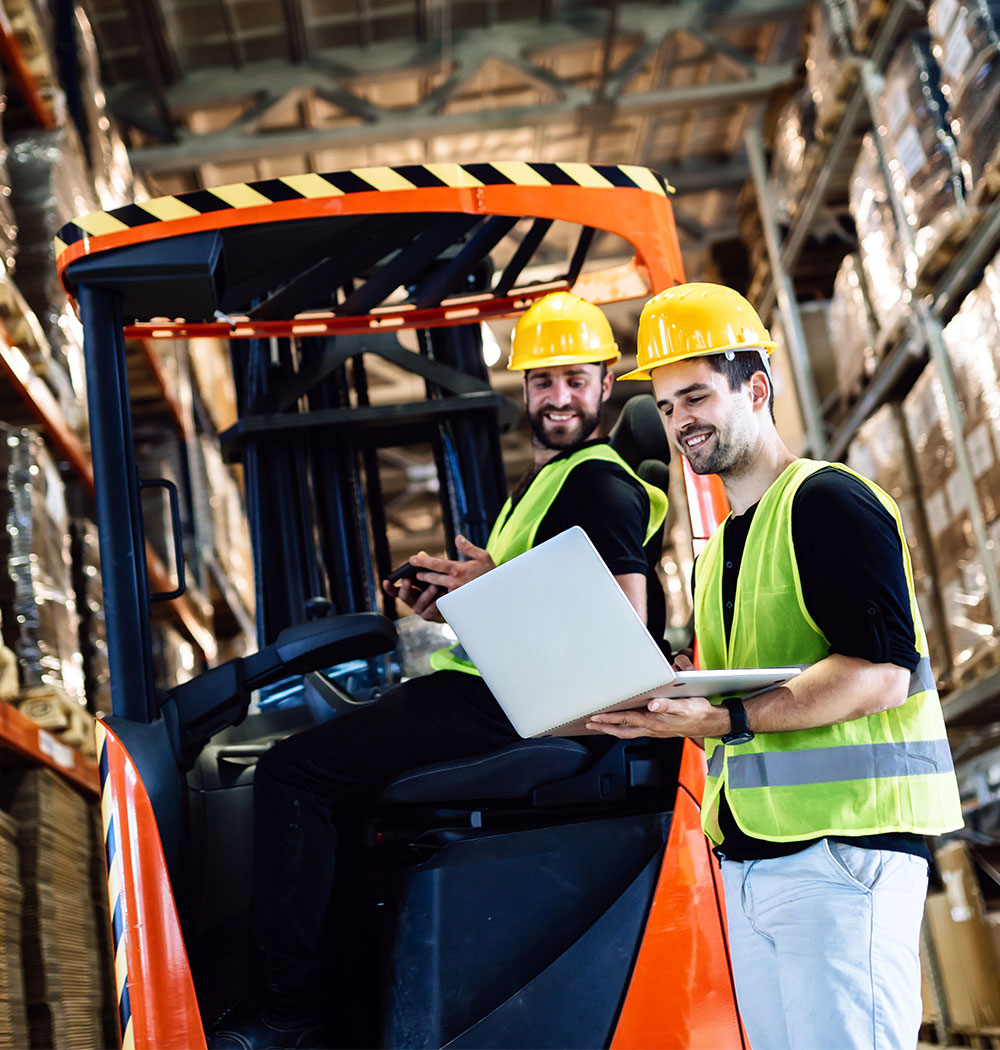
Fork-lift trucks are among the most frequently used lifting machines within warehouses, factories and distribution centres. Often operating for long periods each day, they are subjected to continual loading cycles that place significant demands on their lifting components.
Our lifting equipment inspections include a thorough assessment of the mast assembly, forks, lifting chains, carriage, hydraulic systems and structural framework. We also inspect safety-critical components for signs of wear, distortion, corrosion, fatigue or mechanical damage that may affect safe operation.
By identifying developing issues before they become serious problems, regular inspections help businesses reduce downtime, improve operator safety and ensure their forklift trucks remain compliant with current lifting equipment regulations.
Lifting Accessories & Equipment
Lifting accessories are fundamental to safe lifting operations, yet they are often exposed to the harshest working conditions. Chains, slings, shackles, eyebolts, hooks, lifting beams, spreader beams and lifting frames all experience repeated loading that can gradually reduce their strength over time.
Unlike fixed lifting equipment, accessories are frequently transported between sites, connected to different lifting machines and used in varying environments, making regular inspection particularly important.
Our inspectors carefully examine each accessory for elongation, distortion, corrosion, cuts, abrasions, damaged stitching, cracked welds and other defects that could compromise safety. Where defects are identified, prompt action can be taken to remove unsafe equipment from service before accidents occur.
Routine inspections provide reassurance that lifting accessories remain suitable for continued use whilst supporting ongoing statutory compliance.
Cranes: Gantry / Jib / Mobile / Tower / Crawler / Truck Mounted
Cranes are designed to lift substantial loads in demanding environments, making regular inspection essential to maintaining both operational reliability and workplace safety. Whether installed permanently within an industrial facility or operating on busy construction sites, cranes require systematic inspection to ensure they continue to perform safely.
AV Statutory Inspections carries out lifting equipment inspections for gantry cranes, jib cranes, mobile cranes, crawler cranes, tower cranes and truck-mounted cranes throughout Kent.
Our inspections assess lifting mechanisms, wire ropes, hooks, structural members, braking systems, slewing components, controls and integral safety devices. We also look for signs of structural fatigue, corrosion, excessive wear or mechanical damage that may affect the crane’s safe working capability.
Regular inspection helps businesses identify maintenance requirements early, reducing the likelihood of unexpected equipment failure and supporting long-term operational efficiency.
Excavators Used for Lifting Operations
Whilst excavators are primarily associated with excavation and earthmoving, many machines are routinely used for lifting operations using certified lifting points or specialist attachments. When performing lifting duties, they require appropriate inspection to ensure the lifting components remain safe.
Our inspections focus specifically on those components involved in lifting activities, including lifting eyes, booms, dipper arms, hydraulic cylinders, attachment points and associated structural elements. We assess each component for wear, deformation, cracking, hydraulic leakage and any other defects that may affect lifting performance.
By carrying out regular inspections, businesses can ensure excavators remain safe for lifting operations whilst supporting compliance with current health and safety legislation.
Vehicle Motor Lifts
Vehicle lifts are indispensable within garages, commercial workshops, MOT testing stations and vehicle dealerships, where technicians rely upon them every day to safely raise and support vehicles.
Our lifting equipment inspections include detailed assessments of hydraulic systems, lifting arms, locking mechanisms, cables, chains, electrical safety features and structural support columns. We also examine the general condition of the equipment to identify deterioration that could compromise safe operation.
Routine inspections help workshop operators maintain safe working environments whilst reducing the likelihood of equipment failure that could place technicians or customers at risk.
By inspecting vehicle lifts at appropriate intervals, businesses demonstrate their commitment to safety whilst helping prolong the operational life of valuable workshop equipment.
Building Maintenance Units
Building Maintenance Units (BMUs) are specialist lifting systems used to provide safe access for external maintenance on high-rise buildings. Because these systems often support personnel whilst working at significant height, maintaining their safety is of critical importance.
Our inspections cover suspension systems, wire ropes, winches, drive mechanisms, operating controls, emergency safety systems and structural components. We carefully examine each part of the installation to identify wear, corrosion, environmental deterioration or mechanical defects that could affect safe operation.
Regular lifting equipment inspections provide building owners and facilities managers with confidence that BMUs continue to operate safely whilst meeting their statutory obligations.
Although these represent some of the most common items requiring inspection, many other types of lifting equipment also fall within the scope of LOLER. If you’re uncertain whether your equipment requires regular inspection or a statutory Thorough Examination, our experienced team can provide expert advice and develop a tailored inspection programme that keeps your business fully compliant.
Our experienced inspectors work with organisations of every size, from independent workshops and warehouses through to large manufacturing facilities, logistics companies and construction contractors operating throughout Kent. Every inspection is completed methodically, with careful attention given to the condition, operation and safety of each item of lifting equipment.
By partnering with AV Statutory Inspections, you can be confident that your lifting equipment inspections are completed professionally, your compliance obligations are met, and your business is taking a proactive approach to workplace safety. Our aim is not simply to inspect equipment, but to help organisations maintain safe, efficient and fully compliant lifting operations all year round.
Our Lifting Equipment Inspection Process
At AV Statutory Inspections, we understand that a lifting equipment inspection is about far more than simply meeting a legal requirement. It is an opportunity to verify that equipment remains safe, reliable and suitable for continued use, whilst helping businesses reduce risk and maintain efficient day-to-day operations. Every inspection we carry out follows a structured process that combines technical expertise with a practical understanding of how lifting equipment is used across different industries.
Each inspection is then carried out by one of our experienced, competent inspectors, who performs a detailed assessment of all safety-critical components. Depending on the type of lifting equipment, this may include structural members, lifting mechanisms, hydraulic systems, chains, wire ropes, lifting points, hooks, safety devices, braking systems, controls and load-bearing elements. Particular attention is given to components that experience regular stress or are susceptible to wear and deterioration through continued use.
Whether you’re responsible for a single piece of lifting equipment or a large fleet spread across multiple sites, our methodical approach ensures every inspection is completed thoroughly, professionally and with minimal disruption to your operations.
1. Equipment Review
Our inspection process begins by reviewing the equipment being used, its intended purpose and the environment in which it operates. This allows us to determine the applicable legislative requirements, establish the correct inspection intervals and identify whether a statutory Thorough Examination under LOLER is required.
2. Thorough Examination
Throughout the inspection, we assess the overall condition of the equipment, identifying defects such as corrosion, cracking, distortion, excessive wear, fatigue or damage that could affect its safe operation. Where appropriate, observations are supported with practical recommendations to help businesses address issues before they develop into more significant safety concerns.
3. Comprehensive Report
Once the inspection has been completed, we provide a comprehensive report detailing the equipment inspected, the findings of the inspection and any recommendations for remedial work or further action. This clear documentation helps duty holders demonstrate compliance with current legislation, maintain accurate maintenance records and plan future inspections with confidence.
Frequently Asked Questions
What is a lifting equipment inspection?
A lifting equipment inspection is a detailed assessment of equipment used to lift or lower loads in the workplace. The purpose of the inspection is to confirm that the equipment remains safe to operate, identify any signs of wear or damage, and ensure it continues to comply with relevant health and safety legislation. Many inspections also form part of the statutory Thorough Examination required under the Lifting Operations and Lifting Equipment Regulations (LOLER).
How often should lifting equipment be inspected?
The frequency of lifting equipment inspections depends on the type of equipment, how it is used and the applicable legal requirements. Certain items require a Thorough Examination every six months, whilst others may be examined every twelve months. Additional inspections may also be necessary following exceptional circumstances, repairs, modifications or prolonged periods out of service. Our team can advise on the appropriate inspection schedule for your equipment.
What types of equipment require inspection?
A wide range of workplace equipment requires regular inspection, including forklift trucks, cranes, lifting accessories, vehicle lifts, hoists, excavators used for lifting operations, building maintenance units and many other types of lifting machinery. If equipment is used to lift or lower loads as part of a work activity, it is likely to require regular inspection or statutory examination under LOLER.
Why choose AV Statutory Inspections?
AV Statutory Inspections provides professional lifting equipment inspection services throughout Kent, supporting businesses of all sizes with their compliance requirements. Our experienced inspectors deliver thorough assessments, detailed reporting and practical advice that helps organisations maintain safe lifting operations whilst meeting their legal obligations. We pride ourselves on providing a responsive, reliable service that gives our clients complete confidence in the condition and compliance of their lifting equipment.
Selecting the right inspection provider is an important part of maintaining workplace safety and achieving ongoing statutory compliance. At AV Statutory Inspections, we pride ourselves on delivering a professional, dependable service that combines technical expertise with responsive customer support. Our aim is to make compliance straightforward, allowing you to focus on running your business whilst knowing your lifting equipment remains in safe hands.
Experienced and Competent Inspectors
Lifting equipment inspections should only be carried out by individuals with the necessary knowledge, experience and understanding of the equipment being examined. Our inspectors have extensive experience working across a wide range of industries, enabling them to inspect everything from forklift trucks and vehicle lifts to cranes, lifting accessories and specialist lifting systems.
By keeping up to date with current legislation and industry best practice, we ensure every inspection is completed to the highest professional standard. Our experience enables us to identify developing issues quickly and accurately, helping businesses address defects before they become costly or hazardous.
Inspection Programmes Tailored to Your Business
No two organisations operate in exactly the same way, which is why we don’t believe in a one-size-fits-all approach to lifting equipment inspections. The type of equipment you use, how frequently it operates and the environment in which it works all influence your inspection requirements.
We work closely with every client to develop inspection programmes that suit their business, ensuring examinations are completed at the appropriate intervals whilst minimising disruption to daily operations. Whether you manage a single workshop, multiple warehouses or construction projects across Kent, we can create a planned inspection schedule that supports long-term compliance.
Detailed Reporting and Ongoing Compliance Support
Professional inspections are only valuable if they are supported by clear, accurate documentation. Following every inspection, we provide comprehensive reports that outline the equipment inspected, any observations made, defects identified and recommendations where corrective action may be required.
Our reports provide a valuable audit trail that demonstrates compliance with LOLER and wider health and safety obligations. We also remain available to answer any questions regarding our findings, helping businesses understand their responsibilities and plan future maintenance or inspections with confidence.
By building long-term relationships with our clients, we become more than simply an inspection provider—we become a trusted partner supporting ongoing workplace safety and statutory compliance.