


LOLER Testing and Inspection in Kent
AV Statutory Inspections provides professional LOLER testing in Kent for businesses operating across a wide range of industries. Whether you utilise forklift trucks, cranes, lifting accessories, vehicle lifts, excavators, or other lifting equipment, ensuring compliance with the Lifting Operations and Lifting Equipment Regulations 1998 (LOLER) is an essential legal responsibility and a fundamental part of maintaining a safe workplace.
From individual pieces of lifting equipment through to large fleets of machinery spread across multiple sites, our team works closely with duty holders to develop a testing schedule that aligns with operational requirements and legislative obligations. We understand that every business operates differently, which is why our approach is tailored to suit your equipment, industry, and risk profile.
Whether you require a one-off examination or ongoing compliance support, AV Statutory Inspections provides a reliable, professional, and cost-effective solution for LOLER testing in Kent.
Equipment Included Under LOLER
LOLER applies to a broad range of equipment used for lifting or lowering loads within the workplace. Whilst many people associate LOLER exclusively with cranes or forklift trucks, the regulations cover numerous types of lifting equipment and accessories used across construction, manufacturing, warehousing, logistics, automotive, facilities management, and many other sectors.
Regular testing and Thorough Examination helps identify defects before they become safety hazards, ensuring equipment remains safe to operate and compliant with current regulations. Below are some of the most common types of equipment inspected by our team throughout Kent.
Fork-Lift Trucks
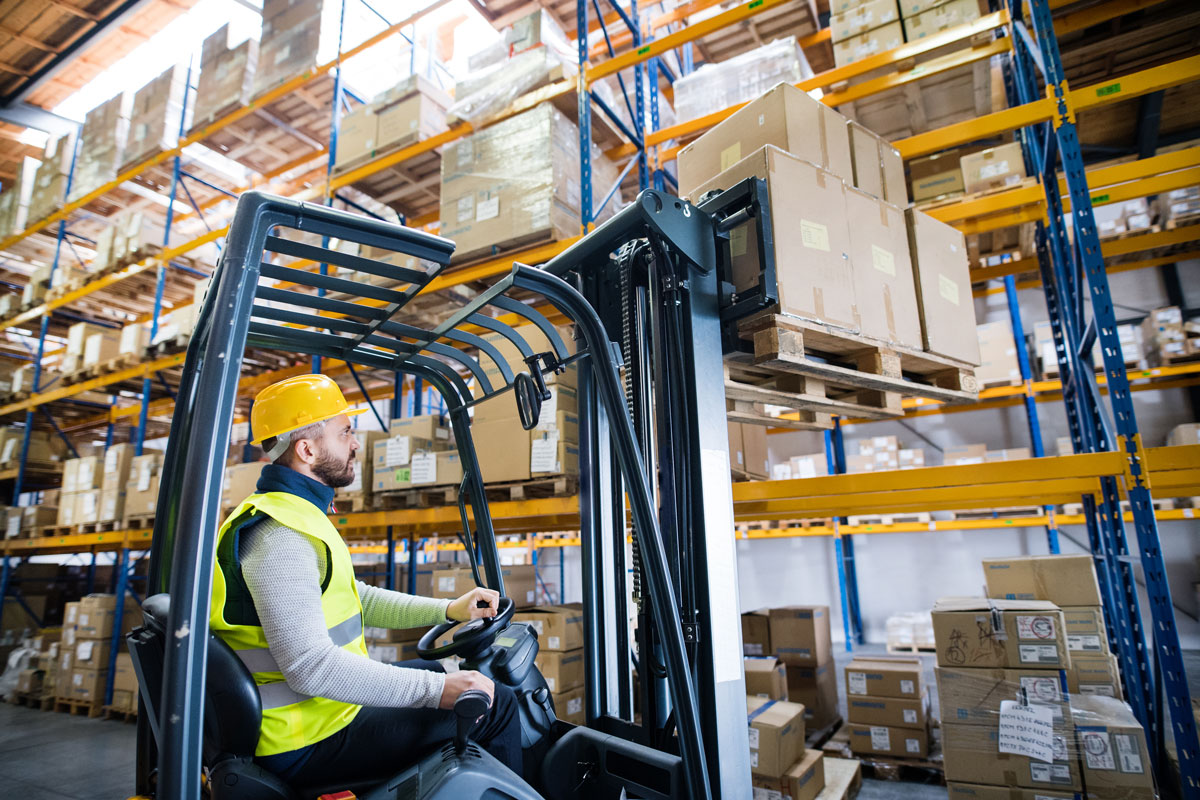
Fork-lift trucks are among the most widely used pieces of lifting equipment within warehouses, factories, distribution centres, and industrial facilities. Because they are regularly used to lift, transport, and position heavy loads, they are subject to LOLER requirements and require periodic Thorough Examination.
Our LOLER testing service includes a detailed assessment of the lifting components, mast assemblies, chains, forks, hydraulic systems, safety devices, and structural elements of the truck. The examination aims to identify signs of excessive wear, damage, distortion, cracking, corrosion, or any other defects that could compromise safe operation.
Regular forklift testing not only helps businesses meet their legal obligations but also contributes to improved operational reliability and reduced risk of unexpected equipment failures.
Lifting Accessories & Equipment
Lifting accessories play a critical role in lifting operations and are often exposed to significant loads and demanding working conditions. Equipment such as chains, slings, shackles, eyebolts, lifting beams, hooks, spreader bars, and lifting frames all require regular examination under LOLER.
Because lifting accessories are frequently moved between sites, attached to different equipment, and subjected to varying loads, they can deteriorate over time. Our examinations focus on identifying wear, deformation, elongation, corrosion, damage, and other conditions that may affect their suitability for continued use.
By ensuring lifting accessories undergo regular testing and examination, businesses can significantly reduce the risk of accidents caused by equipment failure during lifting operations.
Cranes – Gantry / Jib / Mobile / Tower / Crawler / Truck Mounted
Cranes are utilised across a wide range of industries and represent some of the most heavily regulated lifting equipment covered under LOLER. Whether operating a gantry crane within a manufacturing facility or a tower crane on a construction project, regular Thorough Examination is a legal requirement.
Our inspectors assess critical components including structural members, lifting mechanisms, wire ropes, hooks, brakes, safety systems, controls, and supporting structures. Each examination is conducted in accordance with LOLER requirements and relevant industry standards.
By identifying potential issues before they become significant safety concerns, regular crane testing helps improve reliability, minimise disruption, and support ongoing compliance.
Excavators
Whilst excavators are generally associated with digging and earthmoving activities, many are regularly used for lifting operations. When used for lifting loads, excavators fall within the scope of LOLER and require appropriate examination.
Our testing process focuses on the lifting elements of the machine, including lifting points, attachments, hydraulic systems, booms, arms, and associated components involved in lifting activities. We assess the condition of the equipment and identify any defects that could impact safe operation.
Regular examination helps ensure excavators remain suitable for lifting duties whilst supporting compliance with workplace safety legislation.
Vehicle Motor Lifts
Vehicle lifts are commonly found within garages, MOT centres, dealerships, and vehicle maintenance facilities. Given their role in lifting vehicles and supporting loads above technicians, regular LOLER testing is essential.
Our Thorough Examination assesses lifting mechanisms, locking devices, hydraulic systems, cables, structural components, and safety features. The objective is to verify that the lift remains capable of operating safely and reliably under normal working conditions.
Routine testing helps reduce risks to employees working beneath raised vehicles whilst ensuring businesses meet their legal obligations under LOLER.
Building Maintenance Units
Building maintenance units (BMUs) are commonly used for façade maintenance, window cleaning, and external building works on high-rise structures. Due to the nature of their operation and the significant risks associated with working at height, they require regular Thorough Examination.
Our inspections assess lifting systems, suspension arrangements, safety devices, structural components, controls, and other critical elements necessary for safe operation. By identifying defects at an early stage, businesses can maintain safe access systems whilst supporting compliance with statutory regulations.
Whilst the equipment listed above represents some of the most common examples, LOLER applies to many other forms of lifting equipment. If equipment is used for lifting or lowering loads as part of a work activity, it may require examination under LOLER. Our team can advise whether your equipment falls within the scope of the regulations and establish an appropriate testing schedule.
LOLER Regulation 9 requires lifting equipment used within the workplace to undergo regular Thorough Examinations by a competent person. These examinations are designed to identify defects, wear, damage, or deterioration that could affect the safe operation of the equipment. By carrying out regular LOLER testing and inspections, employers can reduce the likelihood of equipment failure, minimise downtime, and protect employees, contractors, and members of the public from avoidable risks.
At AV Statutory Inspections, we deliver independent LOLER testing services throughout Kent, helping businesses remain compliant with current legislation while ensuring lifting equipment remains safe and fit for purpose. Our experienced inspectors conduct detailed examinations in accordance with statutory requirements, providing clear reports and practical recommendations following every inspection.
LOLER Inspection & Testing Services
At AV Statutory Inspections, we follow a structured and comprehensive approach to LOLER testing that provides businesses with confidence in both their equipment and their compliance status.
The process begins with an assessment of the equipment being used and the specific lifting activities being undertaken. This allows us to determine the applicable inspection intervals and ensure examinations are carried out in accordance with LOLER requirements.
During the Thorough Examination, our competent inspectors conduct a detailed assessment of all relevant safety-critical components. Depending on the type of equipment, this may include structural elements, lifting mechanisms, chains, ropes, hydraulic systems, controls, safety devices, load-bearing components, and attachment points.
The purpose of the examination is to identify any defects, deterioration, wear, corrosion, damage, or other conditions that could affect safe operation. Particular attention is given to defects that may develop gradually over time and could otherwise remain unnoticed until a failure occurs.
Following the examination, a detailed report is produced outlining our findings. The report provides clear documentation of the equipment examined, any defects identified, recommended corrective actions, and the overall compliance status of the equipment. This documentation assists duty holders in demonstrating compliance during audits, inspections, and regulatory reviews.
Where defects are identified, we provide clear guidance on the severity of the issue and any action required to restore compliance and ensure ongoing safe operation.
Experienced and Competent Inspectors
LOLER requires Thorough Examinations to be carried out by competent persons with the necessary knowledge, experience, and understanding of lifting equipment. Our inspectors possess extensive industry experience and remain up to date with current legislation and best practice guidance. This ensures every examination is conducted thoroughly, professionally, and in accordance with statutory requirements.
Tailored Compliance Programmes
Every business operates differently, and no two equipment inventories are exactly alike. We work with organisations across numerous industries to create practical testing schedules that reflect their operational requirements. Whether you operate a single site or multiple locations throughout Kent, we can develop a compliance programme that works for your business.
Detailed Reporting and Documentation
Accurate documentation is an essential part of demonstrating compliance. Following every examination, we provide comprehensive reports detailing findings, recommendations, and compliance status. This provides a clear audit trail and helps duty holders manage ongoing inspection requirements with confidence.
Frequently Asked Questions
Here is a list of the most common questions customers ask us about LOLER testing and inspections.
What is a LOLER testing?
LOLER testing refers to the Thorough Examination of lifting equipment and lifting accessories in accordance with the Lifting Operations and Lifting Equipment Regulations 1998. The examination is carried out by a competent person and aims to identify defects that could affect the safety of the equipment. It forms a key part of maintaining legal compliance and workplace safety.
How often does lifting equipment require LOLER testing?
Inspection frequencies depend on the type of equipment and how it is used. In many cases, lifting accessories require examination every six months, whilst other lifting equipment is examined every twelve months. Certain circumstances may require more frequent inspections based on risk assessments or manufacturer recommendations.
Who is responsible for arranging LOLER examinations?
The responsibility typically rests with the duty holder, which is usually the employer, owner, or person in control of the equipment. The duty holder must ensure examinations are carried out at the required intervals and that any defects identified are addressed appropriately.
Why choose AV Statutory Inspections?
AV Statutory Inspections provides independent, professional LOLER testing services throughout Kent. Our experienced inspectors deliver detailed examinations, clear reporting, practical compliance support, and responsive customer service. We help businesses remain compliant, reduce risk, and maintain confidence in the safety of their lifting equipment.