
Forklift Examination Services
AV Statutory Inspections provides professional forklift examination in Kent, helping businesses meet their statutory obligations and maintain confidence in the safety of their workplace lifting equipment. From individual forklifts used within small commercial premises to extensive fleets operating across warehouses, distribution centres and industrial facilities, we deliver competent Thorough Examinations tailored to the equipment and its working environment.
Forklift trucks are essential to the movement, storage and handling of materials across numerous industries. Their ability to raise and position heavy loads makes them invaluable to everyday operations, but it also introduces responsibilities for employers and those managing the equipment. Components responsible for lifting and supporting loads can deteriorate through repeated use, making independent examination an important safeguard against potentially dangerous defects.
Under the Lifting Operations and Lifting Equipment Regulations 1998 (LOLER), lifting equipment must undergo a Thorough Examination by a competent person at the appropriate intervals. This statutory examination is intended to identify defects that are, or could become, dangerous, providing businesses with important information about the condition of their equipment and any corrective action required.
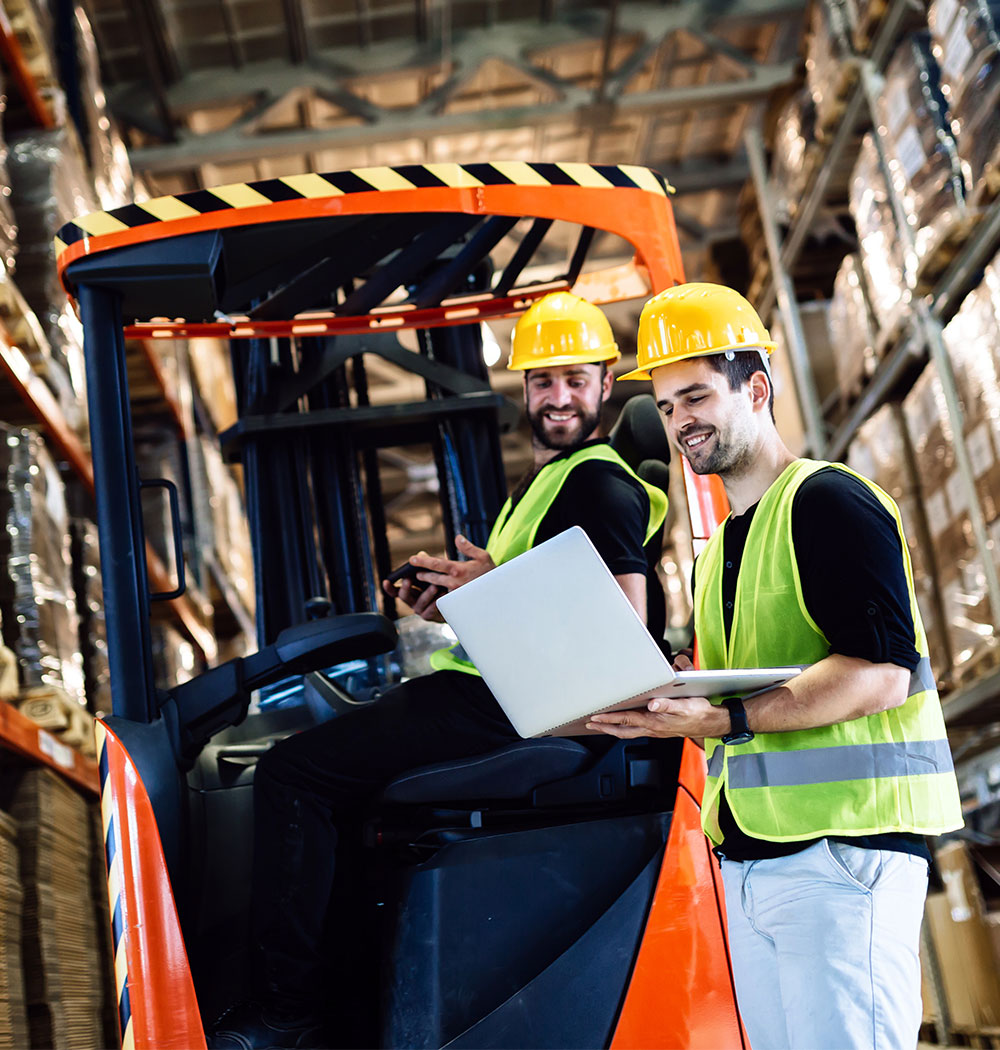
At AV Statutory Inspections, our forklift examination service focuses on the requirements of LOLER Regulation 9, providing a systematic assessment of relevant lifting components alongside clear, comprehensive reporting. We understand that forklift trucks vary considerably in their design, lifting capabilities and operating conditions, which is why every examination is approached according to the equipment involved.
Our services are available to businesses throughout Kent, including organisations operating within manufacturing, logistics, engineering, warehousing, construction and other commercial sectors. Whether you need an examination for a single forklift or an organised programme covering multiple machines, our experienced inspectors can help you manage your legal responsibilities.
For dependable forklift examination services in Kent, AV Statutory Inspections offers a professional approach to statutory compliance, helping businesses maintain safer lifting operations and appropriate examination records.
Forklift Trucks Requiring Thorough Examination
Forklift trucks are manufactured in a variety of configurations to accommodate different loads, lifting heights and operating environments. Although their applications may differ, equipment used for workplace lifting operations must be examined in accordance with the relevant statutory requirements.
A LOLER Thorough Examination considers the safety-critical lifting components of the machine, with the precise scope determined by its construction and intended function. The examination may involve assessing lifting assemblies, load-bearing components, attachments and associated mechanisms for defects that could affect safe operation.
AV Statutory Inspections provides forklift examinations for a wide range of materials-handling equipment throughout Kent, including the following commonly used machines.
Counterbalance Forklift Trucks
Counterbalance forklift trucks are frequently used for loading vehicles, transporting palletised materials and positioning goods within industrial premises. Their versatility makes them suitable for both internal and external operations, often involving repeated lifting activities throughout the working day.
A statutory examination considers the condition of the truck’s lifting assembly, including relevant mast components, forks, carriage systems, lifting chains and hydraulic mechanisms. These components are subjected to repeated mechanical stresses and must remain capable of safely supporting loads.
Our inspectors assess the relevant lifting equipment for defects such as excessive wear, cracking, deformation and deterioration. Particular attention is given to components whose failure could compromise the stability or support of a lifted load.
A planned Thorough Examination programme provides businesses with an independent assessment of their counterbalance forklifts, supporting compliance and helping identify defects requiring attention.
Reach Trucks
Reach trucks are designed for efficient materials handling within warehouses and storage facilities, particularly where goods are positioned on high-level racking systems. Their specialist lifting arrangements allow operators to manoeuvre loads within restricted spaces whilst accessing storage positions at considerable heights.
Because of these operating characteristics, the condition of the lifting mechanism is particularly important. Mast assemblies, reach mechanisms, forks, chains and associated components must remain suitable for the loads and movements involved.
Our forklift examinations assess relevant safety-critical elements of reach trucks, identifying defects that could affect their continued use. The examination considers the design of the lifting system and the potential consequences of deterioration within its load-bearing components.
For businesses managing extensive warehouse operations, regular Thorough Examinations help maintain oversight of reach truck safety whilst providing the documentation necessary to demonstrate statutory compliance.
Rough Terrain Forklift Trucks
Rough terrain forklifts are commonly used where lifting operations take place on construction sites, agricultural premises and outdoor industrial locations. Their design allows materials to be handled in environments that may be unsuitable for conventional warehouse equipment.
Operating outdoors can expose machinery to moisture, contamination, uneven surfaces and demanding working conditions. These factors can contribute to deterioration of components involved in lifting and supporting loads.
Our Thorough Examinations consider the condition of relevant lifting assemblies, structural components, hydraulic systems and attachments. Inspectors assess these elements for defects that could affect the equipment’s ability to perform its lifting function safely.
By arranging forklift examinations at the appropriate intervals, businesses can identify safety-related deterioration and maintain an organised approach to managing equipment used in challenging environments.
Telescopic Handlers
Telescopic handlers, or telehandlers, are frequently used where loads need to be lifted and positioned beyond the reach of conventional forklift trucks. Their extendable boom arrangements make them particularly useful within construction, agriculture and industrial materials handling.
Unlike traditional mast-based forklifts, telehandlers incorporate telescopic lifting structures and associated hydraulic systems that require examination appropriate to their particular design.
Our examinations consider relevant components such as boom sections, lifting attachments, hydraulic mechanisms, connection points and load-bearing structures. These elements are assessed for defects, wear or deterioration that could affect their safe lifting capability.
The examination requirements may also vary depending on the attachments fitted and whether the equipment is used for lifting materials or people. AV Statutory Inspections can help duty holders establish suitable examination arrangements for their telehandler equipment.
Side Loader Fork Trucks
Side loader forklifts provide a specialist solution for transporting long, heavy or awkwardly shaped materials. They are commonly found in timber yards, steel stockholding facilities, manufacturing operations and other environments where conventional front-loading forklifts may be less suitable.
Their sideways lifting arrangement means that the condition of the lifting mechanism and load-supporting components is essential to safe materials handling.
A Thorough Examination considers the relevant lifting assemblies, structural elements and attachment points, identifying defects that could affect the safe support or movement of loads. Components are assessed according to the particular configuration of the equipment.
For businesses regularly handling lengthy or substantial materials, professional forklift examination provides an important means of identifying safety-related defects and meeting statutory examination responsibilities.
Powered Stacker Trucks and High-Lift Pallet Trucks
Powered stacker trucks and high-lift pallet trucks are widely used for moving and positioning palletised goods within warehouses, retail storage facilities and manufacturing premises.
Although these machines may be smaller than conventional forklifts, their lifting functions can bring them within the scope of LOLER. The applicable requirements depend on the equipment’s design and intended use.
Our examinations consider relevant lifting components, including forks, lifting mechanisms, chains, masts and associated load-bearing elements where fitted. The objective is to identify defects that could affect the safe lifting or support of materials.
Businesses operating numerous smaller materials-handling machines should ensure that equipment requiring statutory examination is included within their compliance arrangements. AV Statutory Inspections can help identify the appropriate requirements for these machines.
Other Specialist Forklift Equipment
Many businesses operate specialist forklift trucks developed for particular working environments or load-handling requirements. These can include articulated forklifts, multidirectional trucks, order-picking equipment and other purpose-built lifting machines.
The examination requirements for each machine depend upon its design, lifting function and operating arrangements. Rather than applying an identical examination procedure to every forklift, the relevant components must be assessed according to their construction and associated risks.
Our team can help businesses determine which items of equipment require statutory examination and establish an appropriate programme for managing ongoing compliance.
LOLER Requirements for Forklift Examinations
The Lifting Operations and Lifting Equipment Regulations 1998 establish legal requirements for the safe management of workplace lifting equipment. Regulation 9 specifically addresses Thorough Examinations and inspections, requiring lifting equipment to be examined by a competent person at the appropriate intervals.
For forklift trucks, the lifting components are subject to LOLER, whilst other aspects of the machine are covered by relevant requirements under the Provision and Use of Work Equipment Regulations 1998 (PUWER).
The distinction is important because a statutory examination is not interchangeable with normal servicing or routine maintenance. A Thorough Examination is intended to identify dangerous defects, whilst maintenance helps ensure machinery remains in efficient working order and good repair.
Under the standard LOLER intervals, lifting equipment is generally examined at least every 12 months, or every six months where it is used to lift people. Alternatively, examinations may be undertaken in accordance with a written examination scheme drawn up by a competent person. Additional examinations may also be required following exceptional circumstances that could jeopardise safety.
Businesses must ensure the correct arrangements are in place for their equipment and that examination reports are retained as required by the regulations.
Our Forklift Examination Process
AV Statutory Inspections follows a systematic approach to forklift Thorough Examinations, providing businesses with a professional assessment of their lifting equipment and clear information about any defects identified.
Every examination is undertaken with consideration for the machine’s design, lifting capabilities and statutory requirements. This allows the relevant components to be examined appropriately whilst ensuring the findings are recorded in accordance with LOLER.
Whether your organisation operates one forklift or an extensive fleet, our examination service can be arranged around your equipment and operational requirements.
1. Equipment Assessment and Examination Requirements
Before undertaking the Thorough Examination, we establish the type of forklift being examined and identify the relevant lifting components and examination requirements.
Consideration is given to the machine’s configuration, lifting arrangements, attachments and applicable examination schedule. This ensures the examination is appropriate to the equipment rather than relying on a generic approach.
For organisations managing multiple forklifts, this initial assessment also helps establish which machines are due for examination and whether any additional equipment should be included within the planned visit.
2. Statutory Thorough Examination
Our competent inspectors undertake a systematic examination of the relevant safety-critical lifting components.
Depending on the machine, this may include forks, lifting chains, mast assemblies, carriages, hydraulic lifting mechanisms, attachment points and structural elements involved in supporting loads.
Components are assessed for defects such as wear, cracking, distortion, corrosion or other deterioration that could affect safe use. Where necessary, the examination may involve additional checks or testing appropriate to the equipment and the inspector’s findings.
The purpose is to identify defects that are, or could become, dangerous and determine their significance for continued operation.
3. Examination Reports and Findings
Following the examination, AV Statutory Inspections provides the appropriate report of Thorough Examination, documenting the equipment assessed and the relevant findings.
Where defects are identified, these are recorded in accordance with the applicable statutory reporting requirements. The report provides information to help the duty holder understand any corrective action required and manage the equipment appropriately.
Examination records also assist businesses in demonstrating that the required statutory examinations have taken place and provide an important reference for future compliance management.

AV Statutory Inspections supports businesses throughout Kent with professional forklift examinations and statutory inspection services. Our approach combines competent examination, clear communication and practical arrangements for organisations operating different types of lifting equipment.
Whether you require a single Thorough Examination or a planned programme for an entire forklift fleet, we can help you manage your examination requirements efficiently.
Experienced and Competent Examiners
LOLER requires Thorough Examinations to be undertaken by a competent person with sufficient practical and theoretical knowledge and experience to identify defects and assess their significance.
Our experienced inspectors understand the different lifting arrangements found across forklift trucks, allowing the relevant components to be assessed according to the machine’s design and application.
This technical understanding is essential for delivering meaningful examinations that support statutory compliance and help businesses identify potentially dangerous equipment defects.
Planned Forklift Examination Programmes
Keeping track of examination dates can become challenging when a business operates several forklifts or manages equipment across different locations.
AV Statutory Inspections can help organisations establish a planned approach to statutory examinations, ensuring equipment is examined at the required intervals.
By coordinating examinations across your fleet, we aim to make compliance management more straightforward whilst helping minimise disruption to normal business activities.
Clear Documentation and Compliance Support
A statutory Thorough Examination must be supported by appropriate reporting that records the examination and identifies relevant defects.
We provide clear documentation to help duty holders understand the findings and maintain the records required under LOLER.
Our team can also provide guidance on examination arrangements and future scheduling, helping businesses manage their statutory responsibilities with greater confidence.
Frequently Asked Questions
What is a forklift examination?
A forklift examination is a statutory Thorough Examination of the relevant lifting equipment carried out by a competent person under LOLER.
The examination involves assessing safety-critical lifting components to identify defects that could present a danger during use. It is distinct from everyday operator checks and routine servicing, both of which remain important parts of forklift safety management.
The findings are recorded in a report of Thorough Examination, providing the duty holder with information about the condition of the equipment and any action required.
How often does a forklift require a LOLER examination?
Most forklift lifting equipment requires a Thorough Examination at least every 12 months under the standard LOLER intervals. Equipment used to lift people is generally subject to a six-month interval.
Alternatively, examinations can be carried out in accordance with a written examination scheme prepared by a competent person, which may specify different intervals appropriate to the equipment and its use.
Additional examination may also be required following exceptional circumstances that could affect equipment safety.
What is examined during a forklift Thorough Examination?
The examination concentrates on the relevant lifting components of the forklift truck. Depending on its construction, these may include forks, lifting chains, mast sections, carriages, hydraulic lifting mechanisms, attachment points and associated load-bearing components.
The competent examiner assesses these elements for defects, deterioration or damage that could affect safe lifting.
The precise scope depends on the machine and its configuration, ensuring the examination is appropriate to the equipment involved.
Who is responsible for arranging forklift examinations?
The responsibility generally rests with the employer or duty holder responsible for the lifting equipment.
This includes ensuring Thorough Examinations are completed at the required intervals, retaining appropriate examination reports and taking necessary action where defects are identified.
Where equipment is hired or supplied by another organisation, responsibilities should be clearly established so that the relevant statutory requirements are met.
What happens if a forklift fails its Thorough Examination?
If a dangerous defect is identified, the competent examiner must report it in accordance with LOLER.
Defects presenting an existing or imminent risk of serious personal injury require immediate notification to the duty holder and reporting to the relevant enforcing authority. Other defects that could become dangerous must be addressed within the timescale specified in the report.
Equipment presenting an unacceptable risk must not continue to be used until the necessary corrective action has been taken.
Can forklift examinations be arranged for multiple machines?
Yes. Businesses operating multiple forklift trucks can arrange examinations as part of a planned compliance programme.
This can be particularly useful for warehouses, manufacturing facilities and distribution operations where different types of forklifts are used throughout the working day.
AV Statutory Inspections can work with organisations to coordinate examinations across their equipment inventory, helping simplify scheduling and maintain appropriate statutory records.
Why choose AV Statutory Inspections for forklift examination in Kent?
AV Statutory Inspections provides professional forklift examination services for businesses throughout Kent, supporting organisations with their LOLER requirements.
Our competent inspectors carry out Thorough Examinations appropriate to the equipment involved, providing clear reports and practical information about any defects identified.
From individual forklifts to larger materials-handling fleets, we offer a professional service designed to make statutory examination requirements easier to manage whilst supporting safer workplace lifting operations.